Lab-Grown vs Natural Diamonds: Which One Is Right for You?
Buying a diamond is one of life's most meaningful purchases, whether you're choosing an engagement ring, celebrating an anniversary, or investing in a timeless piece of fine jewellery. Today, buyers have more choices than ever before, with both lab-grown and natural diamonds offering remarkable beauty and durability.
One of the most common questions we hear at House of Diams is, "Should I choose a lab-grown diamond or a natural diamond?" The answer isn't about which option is better—it depends on what matters most to you.
Both are genuine diamonds. Both sparkle beautifully. Both can last a lifetime. Yet they differ in how they are created, their rarity, their price, and the reasons people choose them.
In this guide, we'll compare lab-grown and natural diamonds honestly, helping you understand the differences so you can make a confident and informed decision.
What Is a Lab-Grown Diamond?
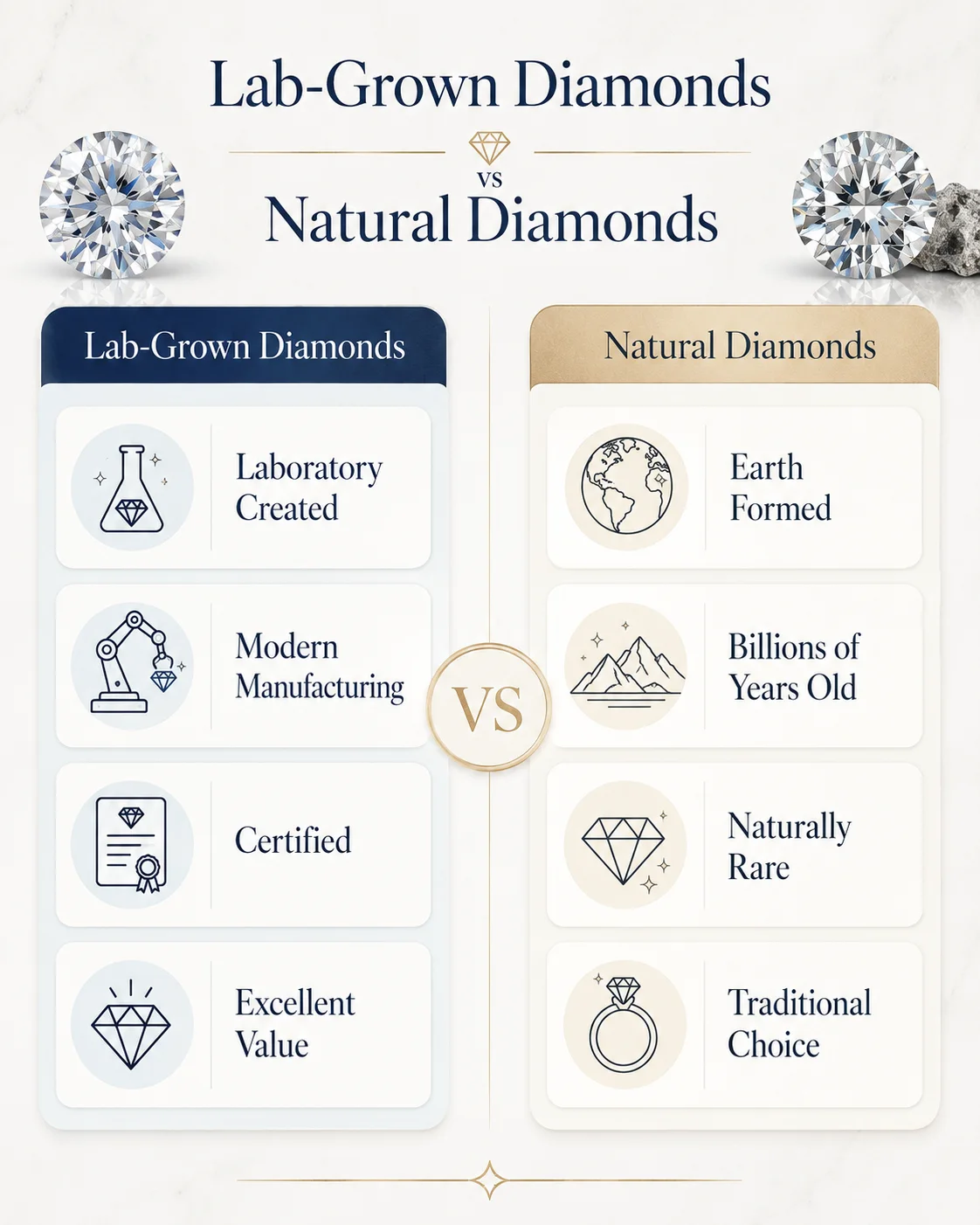
A lab-grown diamond is a real diamond that is created inside a controlled laboratory using advanced technology. Scientists recreate the same conditions under which diamonds naturally form beneath the Earth's surface, allowing pure carbon atoms to grow into a genuine diamond crystal.
Because the crystal structure is identical, a lab-grown diamond has the same hardness, brilliance, fire, and durability as a mined diamond. Even professional jewellers cannot distinguish between them with the naked eye. Only specialized laboratory equipment can identify how a diamond was formed.
Lab-grown diamonds are certified by respected gemological laboratories, including IGI, and graded using the same internationally recognized standards as natural diamonds.
A lab-grown diamond is not a diamond imitation—it is a genuine diamond with the same physical, chemical, and optical properties as a natural diamond.
What Is a Natural Diamond?
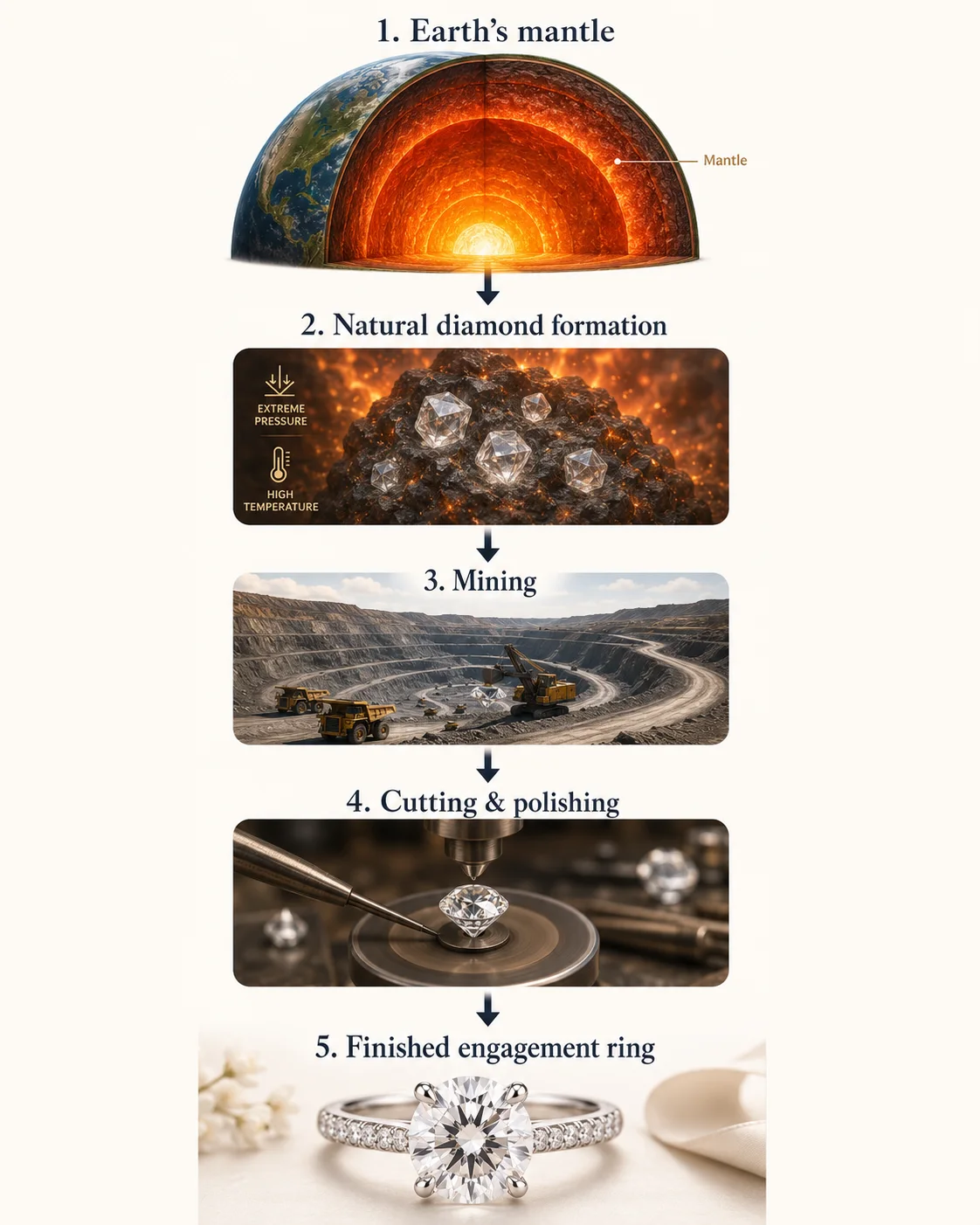
Natural diamonds are formed deep within the Earth's mantle under immense pressure and heat over billions of years. Volcanic activity gradually brings these diamonds closer to the Earth's surface, where they are eventually discovered and mined.
Every natural diamond is unique because it has been shaped by geological processes over an incredibly long period. For many buyers, this natural origin carries emotional significance and a sense of rarity that cannot be replicated.
Like lab-grown diamonds, natural diamonds are cut, polished, and graded according to the 4Cs: cut, colour, clarity, and carat weight.
Appearance: Can You Tell the Difference?
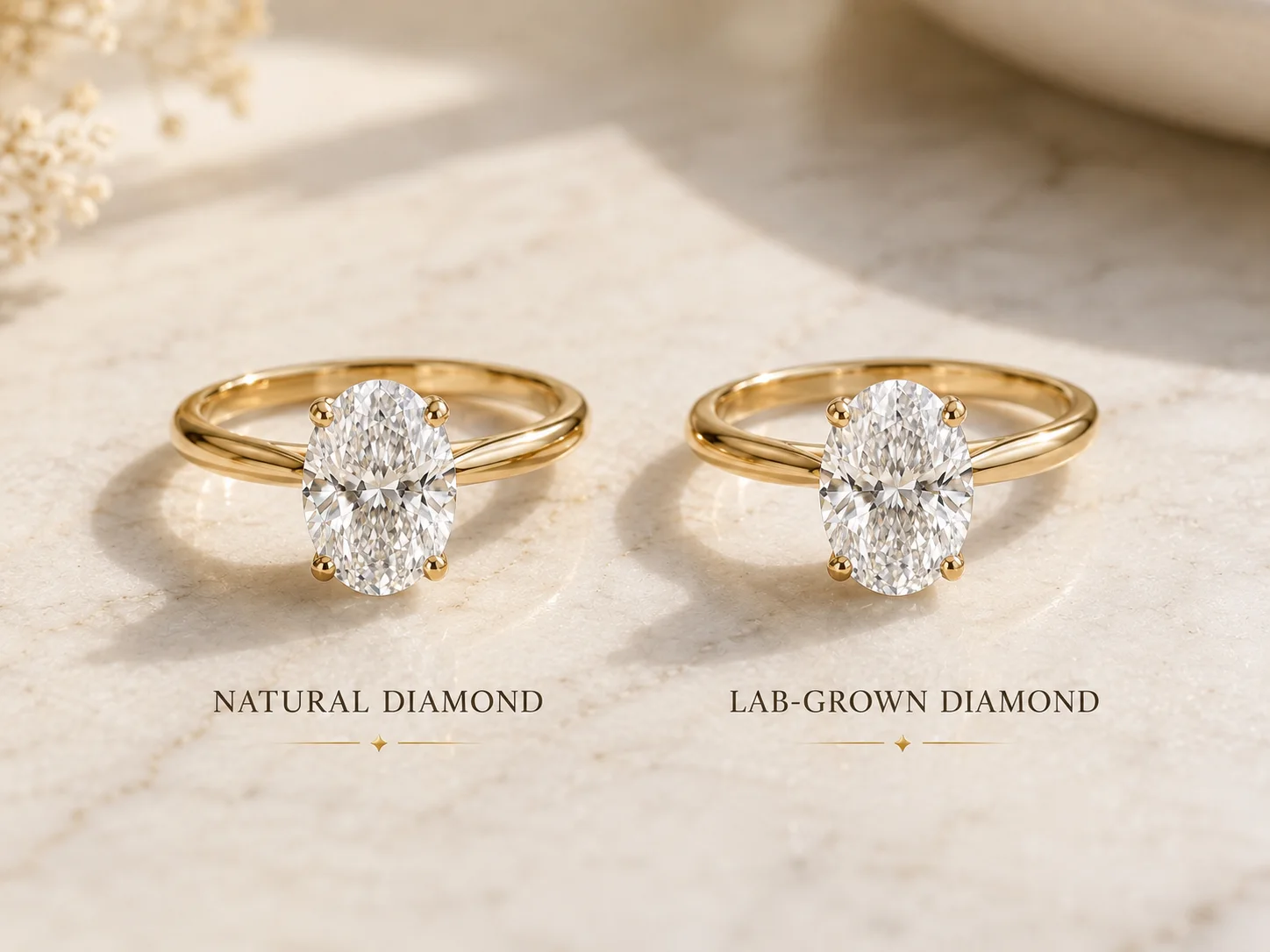
One of the biggest misconceptions about lab-grown diamonds is that they somehow "look different." In reality, they don't.
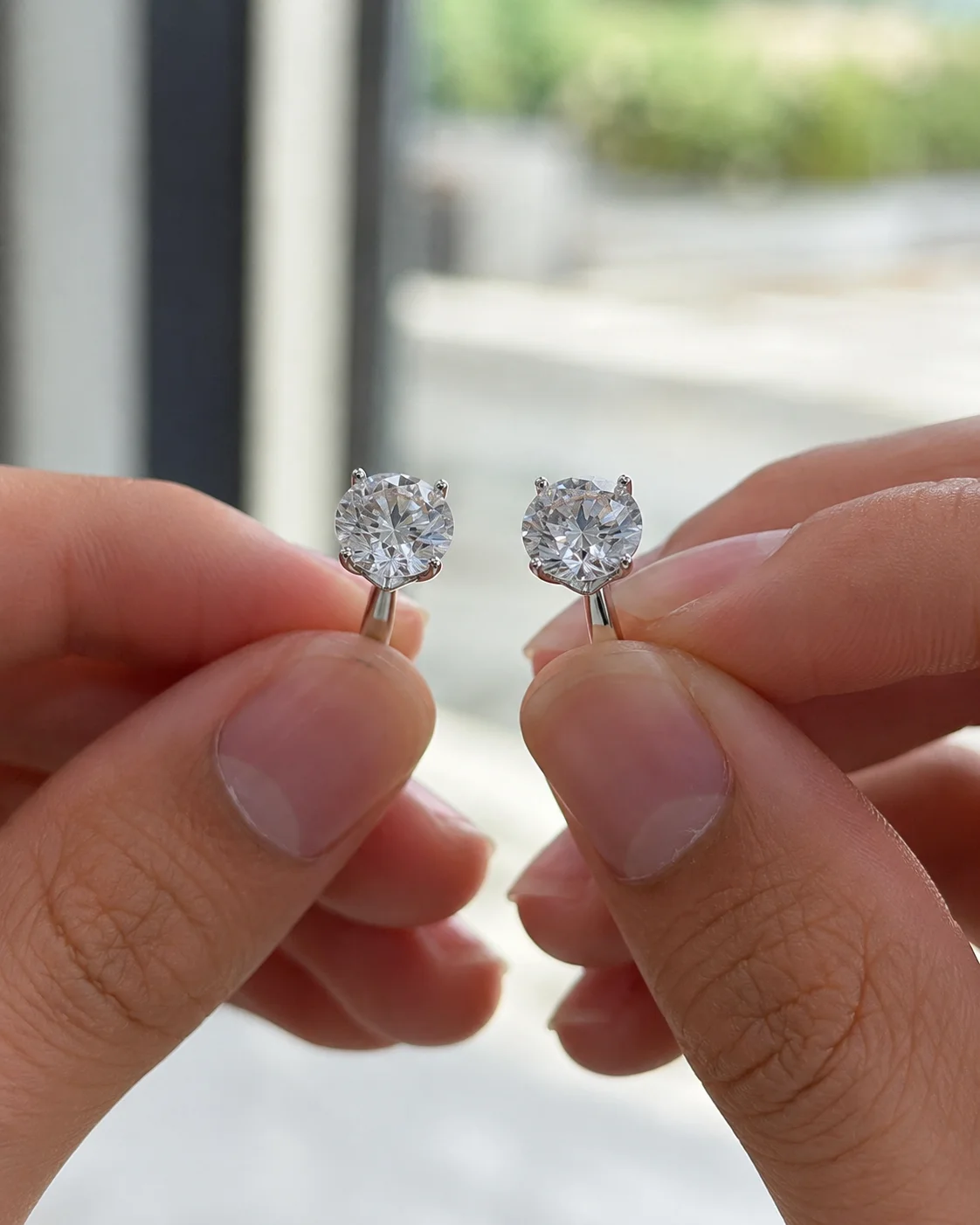
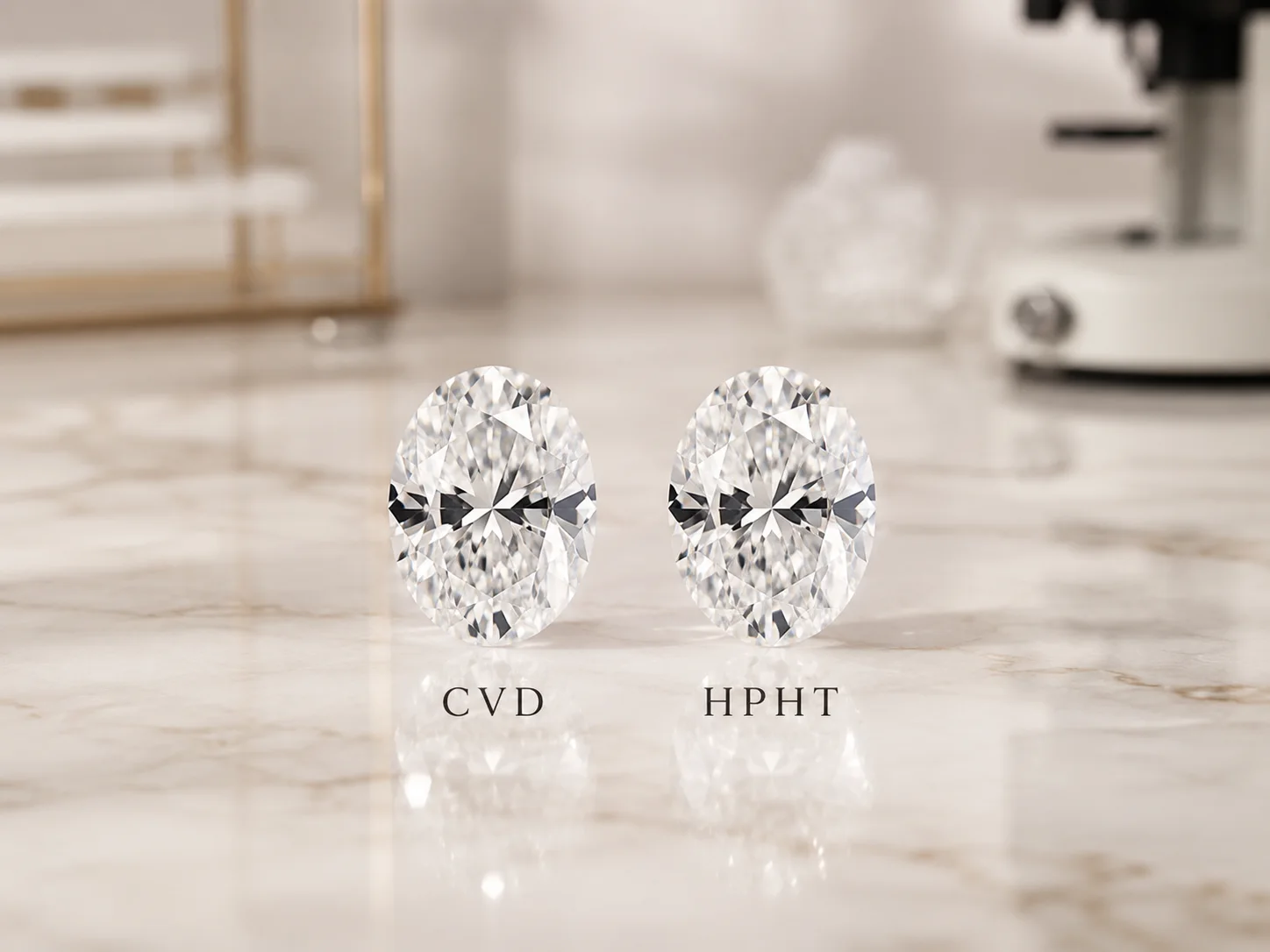
Both lab-grown and natural diamonds have identical optical properties. They reflect light in the same way, produce the same sparkle, and display the same brilliance and fire.
When placed side by side, even experienced jewellers cannot reliably identify which diamond is lab-grown without specialized equipment.
For everyday wear, there is no visible difference between the two.
This means your decision should be based on factors such as budget, origin, personal values, and long-term goals rather than appearance alone.
Both diamonds offer:
Exceptional brilliance
The same Mohs hardness rating of 10
Excellent durability for everyday wear
The same sparkle and fire
Professional certification
Lifetime wearability
Price Comparison: Where Do You Get Better Value?
Price is often the biggest deciding factor for many buyers.
Lab-grown diamonds generally cost significantly less than natural diamonds of comparable size and quality. This allows buyers to choose a larger centre stone, higher clarity, or better colour grade while staying within the same budget.
For example, instead of purchasing a smaller natural diamond, many couples can choose a larger certified lab-grown diamond without compromising on beauty or quality.
Natural diamonds, on the other hand, command higher prices because they are rare, naturally formed over billions of years, and require mining and extensive supply chains before reaching the jewellery market.
Ultimately, the better value depends on your priorities. If maximizing size and quality within your budget is important, lab-grown diamonds often provide exceptional value. If rarity and natural origin are your priorities, a natural diamond may feel more meaningful.
The best diamond isn't the most expensive one—it's the one that aligns with your priorities, lifestyle, and budget.
Durability: Which Diamond Lasts Longer?
When investing in an engagement ring or fine jewellery, durability is just as important as beauty. Fortunately, this is one area where both lab-grown and natural diamonds perform equally well.
Both diamonds rank 10 on the Mohs Hardness Scale, making them the hardest naturally occurring material known. This exceptional hardness means they are highly resistant to scratches and suitable for everyday wear.
Whether you're wearing your engagement ring daily, travelling, working, or enjoying outdoor activities, both types of diamonds will maintain their sparkle for generations with proper care.
Rather than focusing solely on whether a diamond is lab-grown or natural, buyers should pay close attention to the quality of the setting, the type of metal, and routine jewellery maintenance.
What affects durability more than the diamond itself?
Although the diamond itself is incredibly durable, the ring's overall longevity depends on several other factors. A secure setting, strong metal choice, and regular inspections help keep your diamond safe for years to come.
Prongs can wear down over time, and rings worn every day naturally experience small amounts of wear. Having your jewellery professionally checked once or twice a year helps ensure your diamond remains secure.
Factors that affect the durability of your ring include:
The quality of the ring setting
14K or 18K gold choice
Platinum versus gold
Daily lifestyle and activities
Regular cleaning and inspections
Proper storage when not being worn
Certification and Diamond Grading
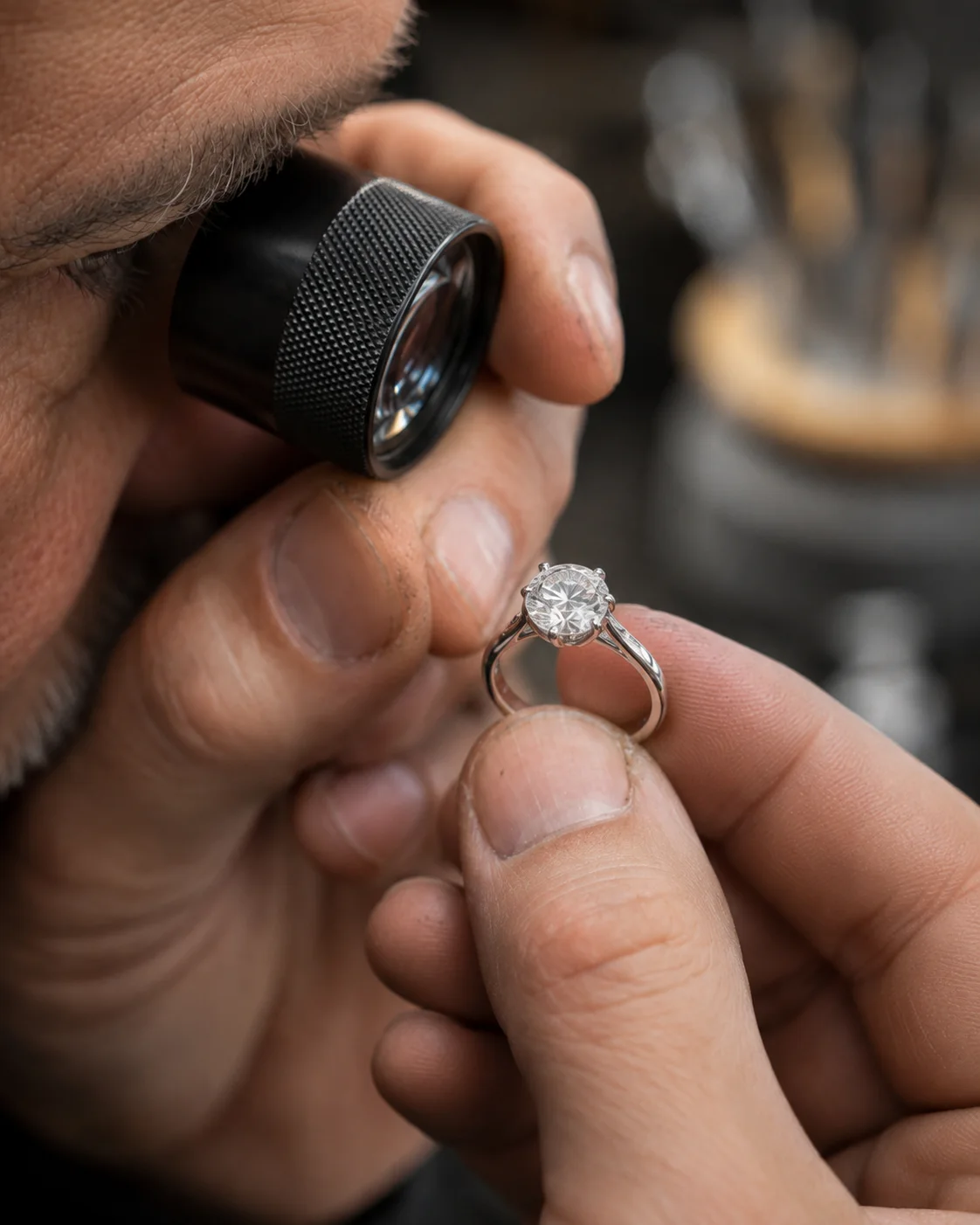
Whether you choose a lab-grown diamond or a natural diamond, certification is one of the most important aspects of your purchase.
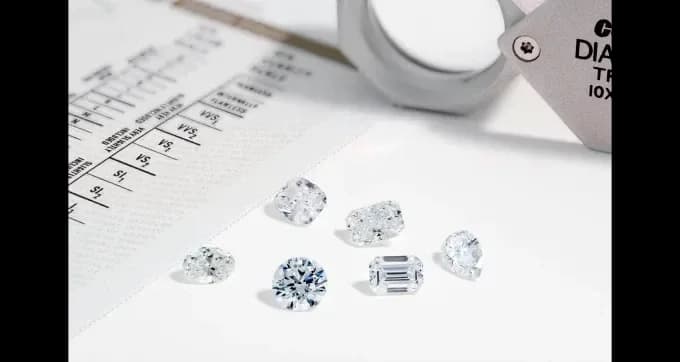
Independent gemological laboratories evaluate diamonds based on internationally recognised grading standards known as the 4Cs:
Cut
Colour
Clarity
Carat Weight
These reports provide buyers with confidence by accurately documenting a diamond's quality and characteristics.
For lab-grown diamonds, respected laboratories such as IGI (International Gemological Institute) clearly identify the diamond as laboratory-grown while grading it using the same standards applied to natural diamonds.
Always ask to see the certificate before making your purchase and verify the report number through the laboratory's official website whenever possible.
Certification gives buyers confidence because it independently verifies exactly what they are purchasing.
Resale Value: What Should Buyers Expect?
Many people ask whether diamonds are good financial investments. The honest answer is that jewellery should primarily be purchased for its emotional and personal value rather than as an investment.
Natural diamonds have historically retained a portion of their value due to their rarity and established resale market. However, resale prices vary depending on market demand, brand, certification, and overall condition.
Lab-grown diamonds are a newer category, and as production technology continues to improve, prices have become more affordable over time. Because of this, resale values for lab-grown diamonds are generally lower than those of comparable natural diamonds.
If long-term investment potential is your primary concern, discussing your goals with a trusted jeweller before purchasing is always recommended.
Things to remember about resale value:
1. Jewellery should be purchased primarily for personal enjoyment.
2. Certified diamonds generally have stronger resale potential.
3. Premium craftsmanship can increase long-term desirability.
4. Keep all original certificates and purchase documentation.
5. Buy the diamond you truly love rather than focusing solely on future resale.
Ethical and Environmental Considerations
Many buyers today also consider how their diamond was sourced.
Lab-grown diamonds are created in laboratories without traditional mining, making them an attractive option for buyers who prefer a modern manufacturing process.
Natural diamonds, on the other hand, support mining communities around the world and remain an important source of employment in many regions.
Rather than assuming one option is universally "better," it's important to understand that every diamond has its own supply chain and environmental impact.
Reputable jewellers should always be transparent about the origin of their diamonds and provide honest information so customers can make informed decisions.
Transparency matters more than marketing claims. Choose a jeweller who openly shares information about the origin of every diamond.
Which Diamond Should You Choose?
There isn't a single "right" answer because every buyer has different priorities.
If you're looking for the largest possible diamond within your budget, lab-grown diamonds provide exceptional value while offering the same beauty and durability as natural diamonds.
If owning a naturally formed gemstone with billions of years of history is important to you, a natural diamond may feel more meaningful.
The best choice is the one that aligns with your lifestyle, preferences, and budget.
Choose a Lab-Grown Diamond if you:
Want maximum value for your budget.
Prefer a larger centre stone.
Love modern innovation.
Want exceptional quality at a lower price.
Value certified transparency.
Choose a Natural Diamond if you:
Appreciate natural rarity.
Want a diamond formed over billions of years.
Prefer traditional luxury.
Consider long-term value retention important.
Enjoy the emotional story behind natural gemstones.
Final Thoughts
Choosing between a lab-grown diamond and a natural diamond isn't about finding a winner—it's about finding the diamond that feels right for you.
Both offer exceptional beauty, remarkable durability, and timeless elegance. Understanding the differences in origin, price, rarity, certification, and value allows you to make an informed decision with confidence.
At House of Diams, we believe every customer deserves honest advice, transparent information, and beautifully crafted jewellery that celebrates life's most meaningful moments. Whether you're shopping for an engagement ring, a special gift, or designing a custom piece, our team is here to help you choose the perfect diamond for your story.
Every diamond tells a story. The best one is the one that becomes part of yours.